
The 2027 Chevy Bolt returns as the upgraded version of the Bolt EUV. GM, the manufacturer, promised a next-gen Bolt after dropping the model three years ago. Now, the Bolt is back in its place as America’s most affordable EV at just $28k.
Despite the buzz surrounding its comeback, the compact EV is slated for roughly 18 months of production before GM switches the Fairfax assembly plant back to ICE vehicles. Here’s what the new Chevy Bolt brings on its return.
A Familiar Design with New Fancy

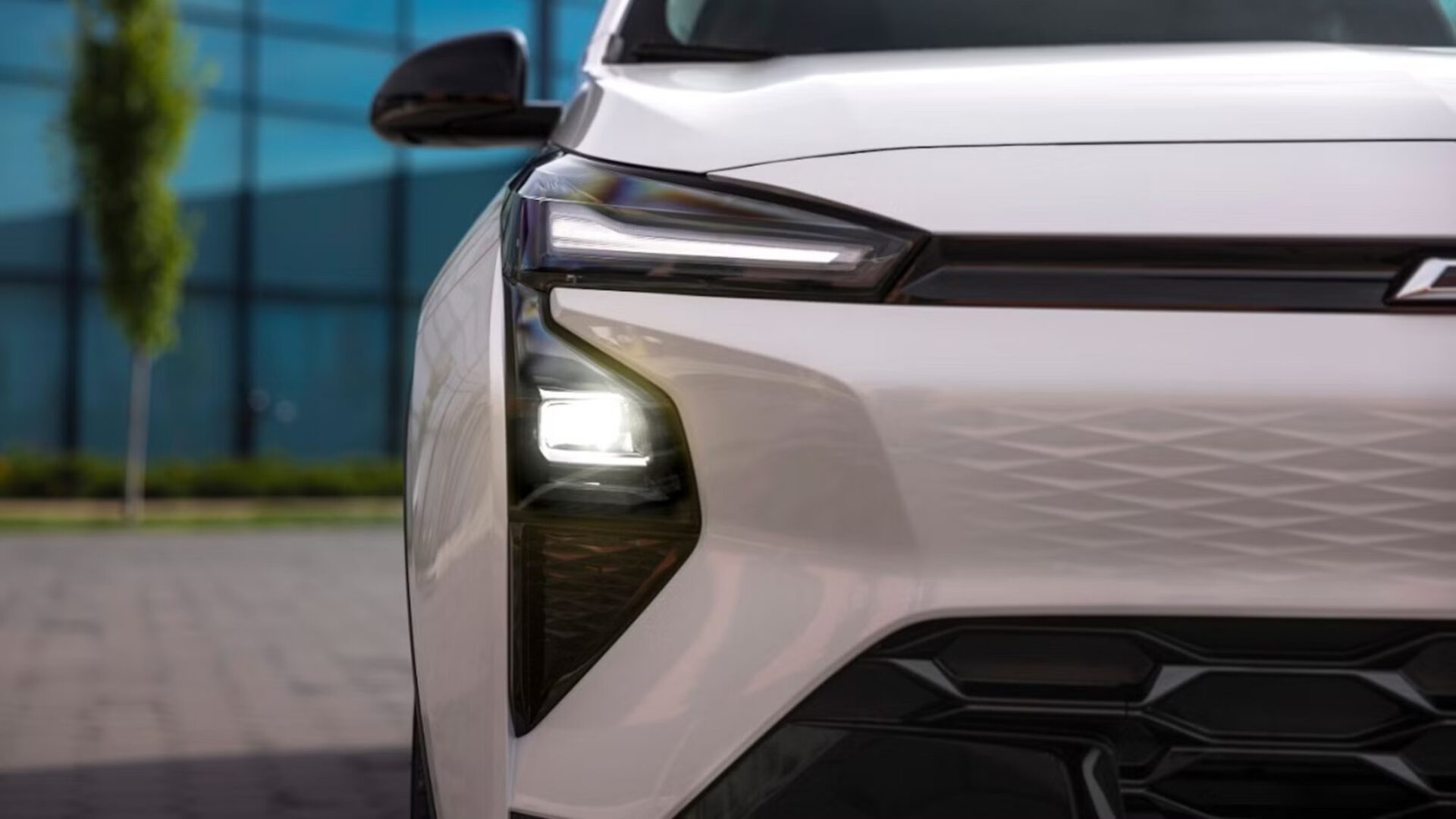
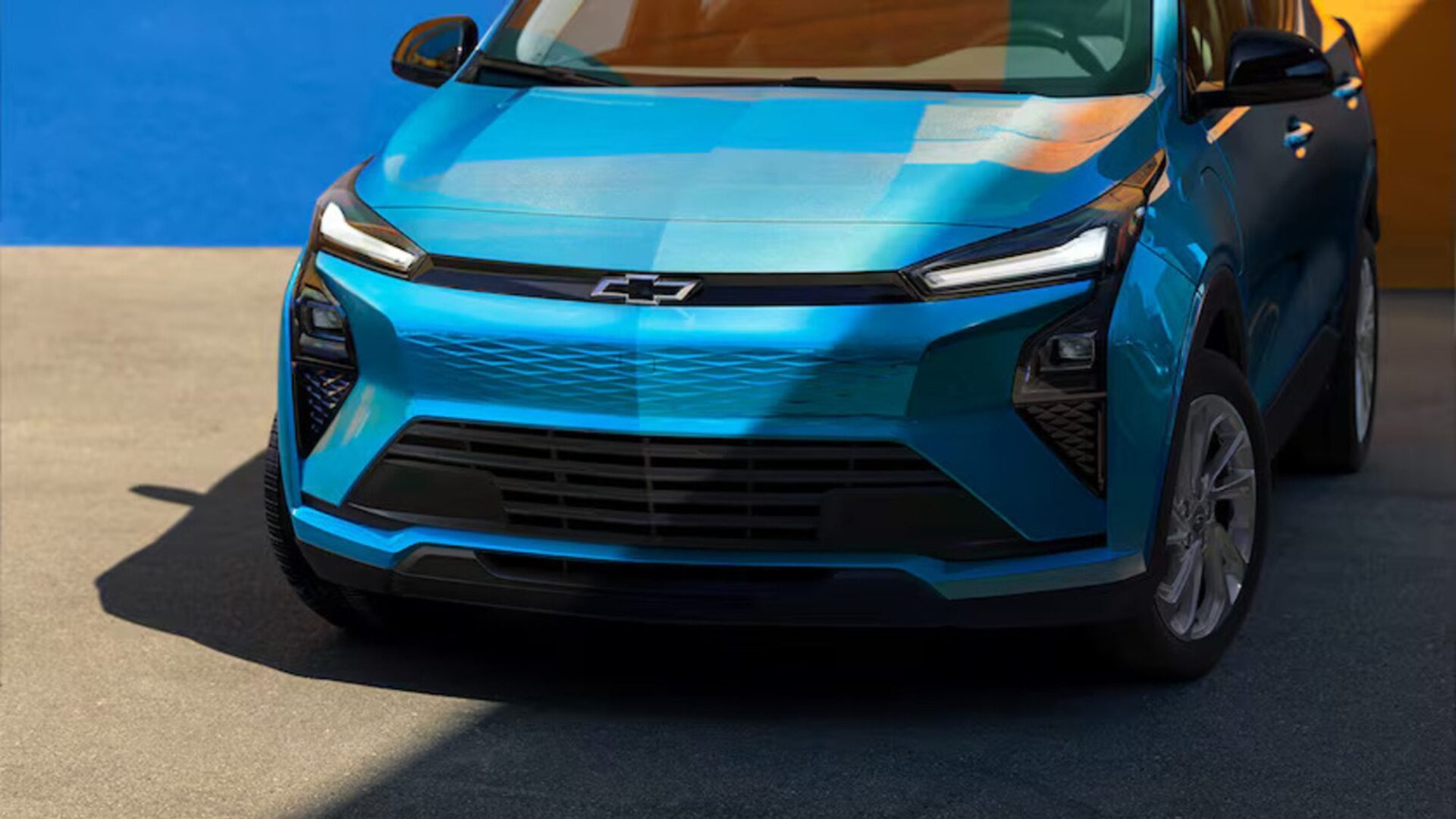
The 2027 model retains the unmistakably compact silhouette typical of Bolt, but looks like it’s got some face work done. An upscale front fascia, complete with sculpted hood and slimmer lights, has replaced the old design. Although the grille is mostly closed up, which is standard for a modern EV, it still has a standout style.
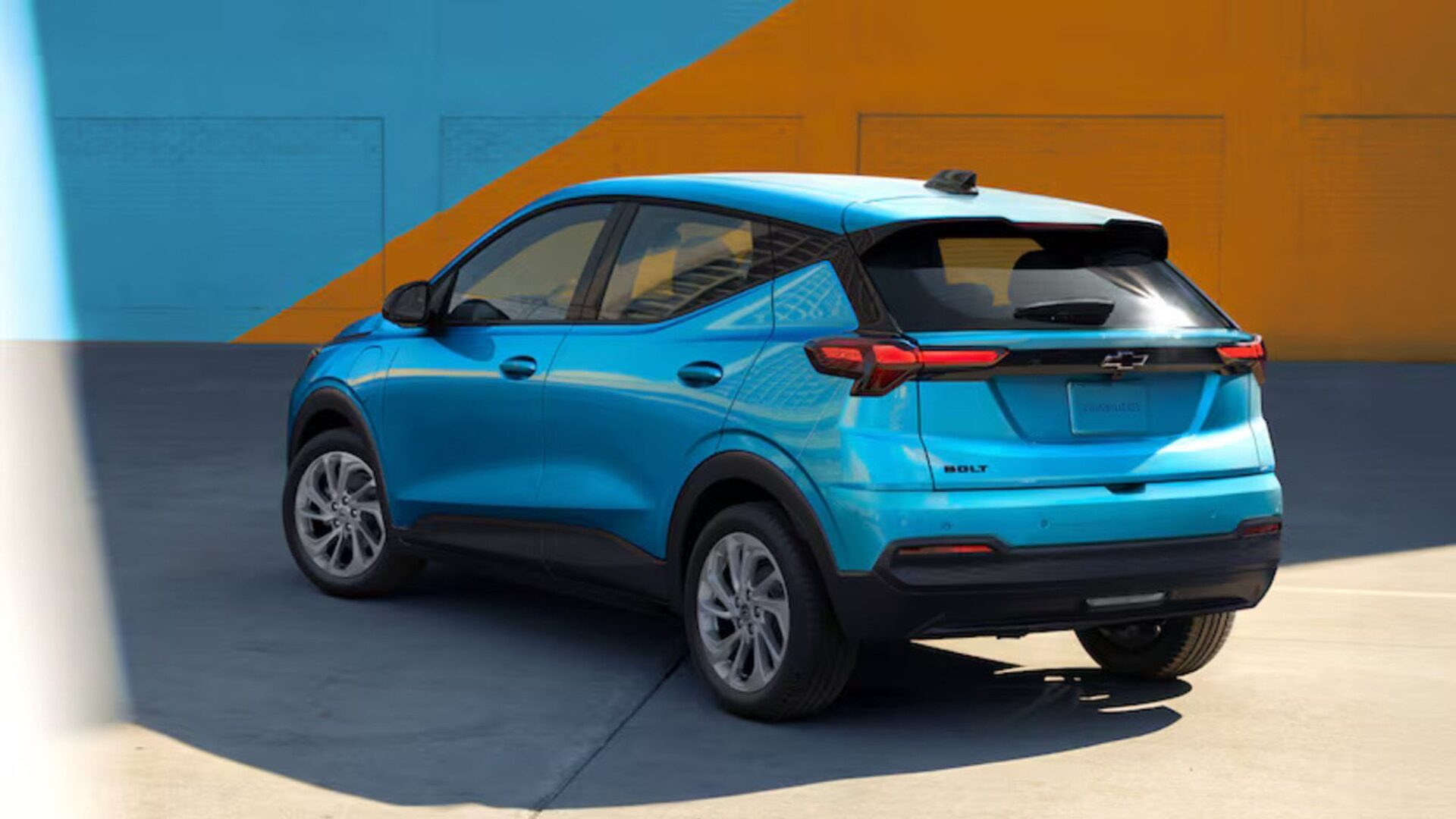
Chevrolet didn’t ignore the rear end either. They cleaned up the taillights and added subtle lighting features that make the small EV look nothing like a budget car. Plus, there are 17-inch blacked-out wheels and gloss-black accents on the top RS trim for drivers who want the sporty look.
Related:
2026 Corolla Cross: Modern Looks, Impressive Drive, Affordable Price
2027 Chevy Bolt Performance
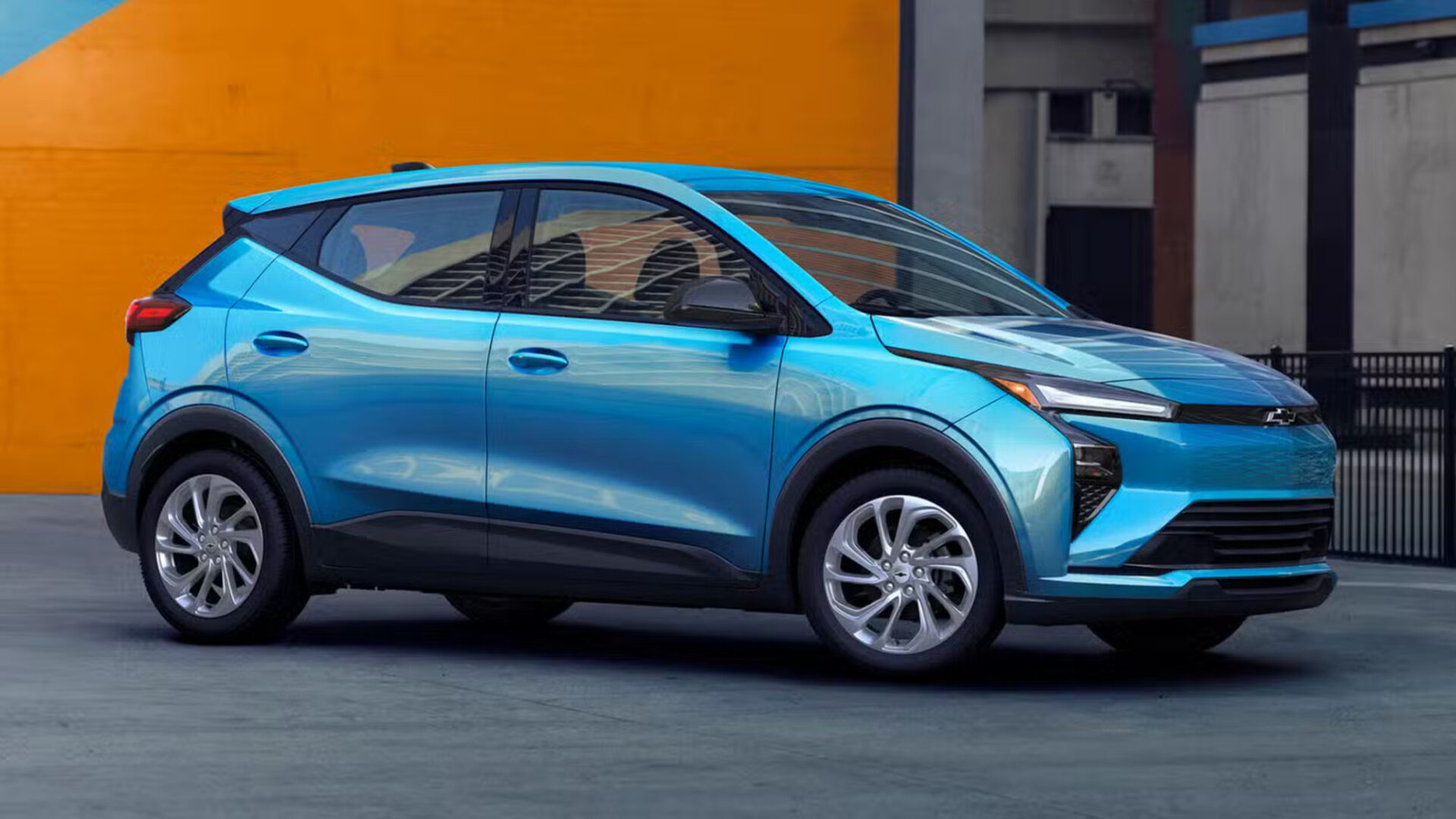
The Bolt EV is a city-smart ride, confident enough to navigate town on a 210-hp motor with 169 lb-ft of torque. That’s nowhere near class-leading, but the horsepower is a modest increase on the previous model, all thanks to GM’s efficient power electronics. The compact EV uses a standard FWD drivetrain setup paired with a single-speed auto transmission and goes from 0 to 60mph in 6.8 seconds.
Behind the wheel, the EV has minimal jerks, handling is great, and it accelerates in good time. One-pedal driving tech provides smooth in-city driving as drivers switch between High and Normal modes in the regenerative braking system.
Surprisingly Spacious Cabin
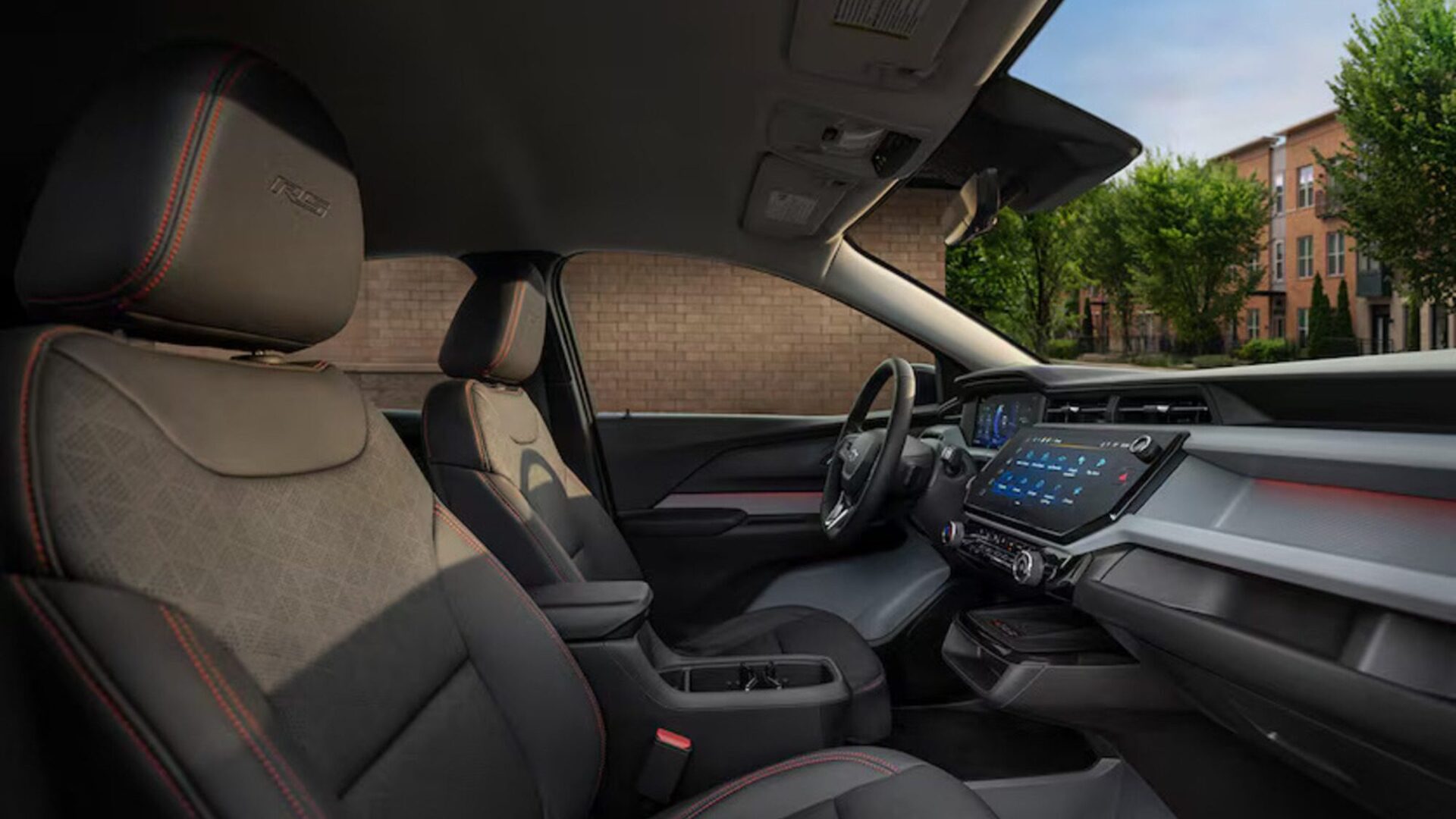
The 2027 Bolt EV is generously spacious for its class. There’s ample legroom for adults, even at the rear. Rear occupants get about 39 inches of rear legroom and 37.8 inches of headroom, much more than what rivals like the Hyundai KONA and Nissan Leaf offer. Cargo space on the Bolt runs up to a competitive 16 cubic ft behind the second row and 56 cubic ft in total.

The crossover feels upscale, thanks to a new dashboard design, an exclusive panoramic sunroof, and ambient lighting. Although Chevrolet improved the interior with nice visual accents, basic materials across the cabin give away the price point of the Bolt EV. Plus, the seats feel rather firm and harsh on the thighs.
Smooth Connectivity But No Apple CarPlay
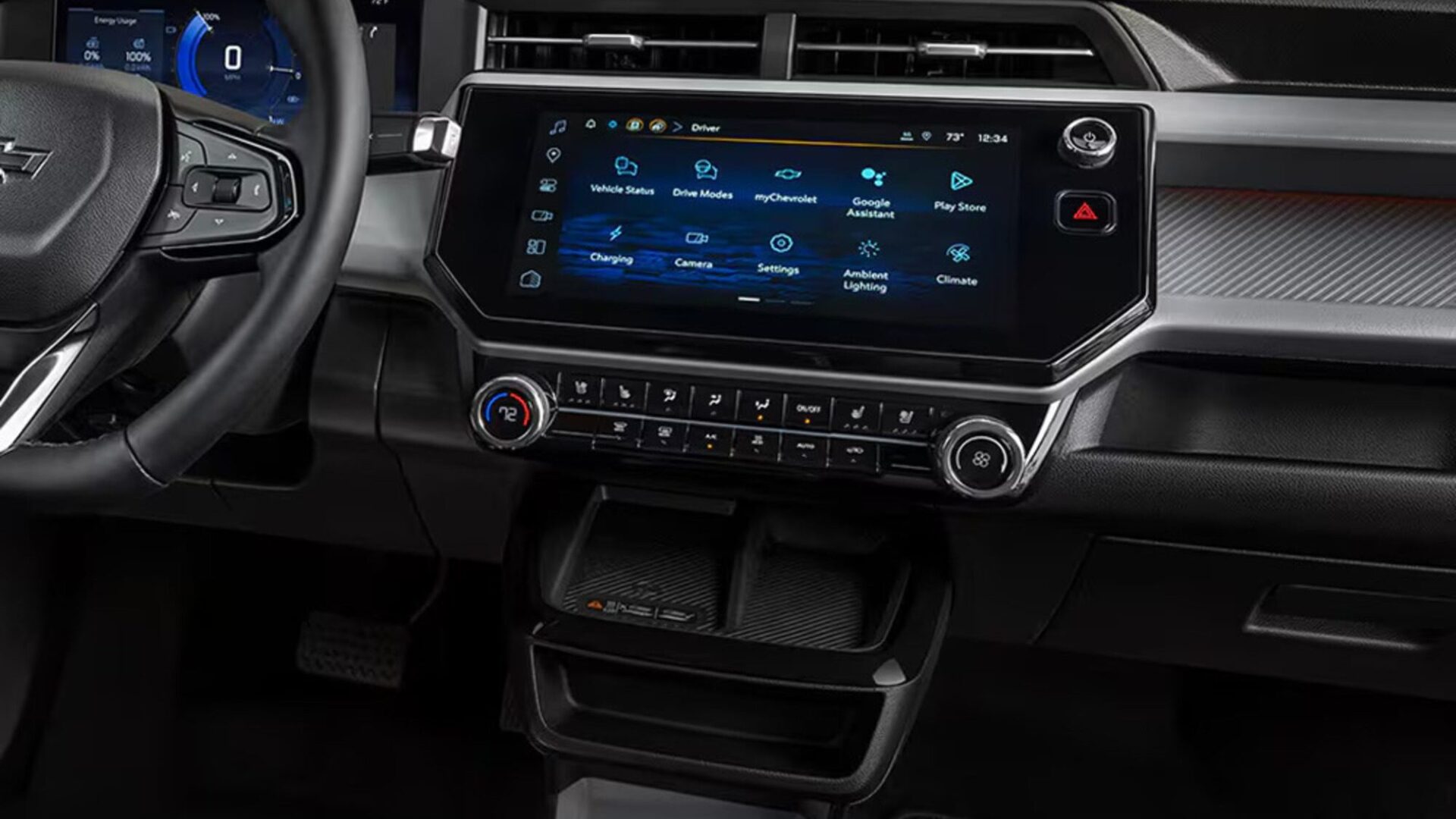
A standard 11.3-inch diagonal touchscreen pairs with an 11-inch digital cluster to provide a modern interface. The infotainment system is powered by Google Built-in and relies exclusively on Google Apps since it lacks Apple CarPlay and Android Auto. Multiple USB-C ports and wireless phone charging are additional features.
For the 2027 model, GM has improved the Super Cruise technology to provide longer hands-free drive than ever. Adaptive Cruise Control is available, as well as standard driver-assist features like rear traffic alert and Front and Rear Park Assist.
Related:
The 2026 Lincoln Aviator is Equipped to Compete from Every Angle
Battery, Charging and Range

The Bolt EV is powered by a new 65-KWh lithium-iron phosphate (LFP) battery optimized for faster charging. With a 150-kW charge rate, the EV battery can power up from 10% to 80% in 25 minutes. Besides, it’s the first Chevy EV to provide a NACS charging port, and even better, it boasts 262 miles per charge, a competitive range even for larger crossovers.
Bolt Gets RS Upgrade
The 2027 model becomes the first Bolt to get the sporty RS variant. Priced at about $32,000 (MSRP), it rewards owners with more interior and exterior aesthetics and standard heated and ventilated front seats for added convenience. Buyers can also choose to spec up the RS with available add-ons like the hands-free tech and plush Evotex seat trim.
Regardless, most Bolt loyalists will likely stick with the base LT trim for in-city commutes. It offers a reliable 210 hp and stays around $28k; the perfect fit for buyers happy to trade a few features for affordability.
Rivals

The 2027 Chevy Bolt EV arrives in a crowded segment, ready to compete. It draws the most pressure from the Nissan Leaf, a well-rounded EV with plenty of appeal and a price tag just a few thousand bucks higher than the Bolt’s. For one, the Leaf’s 214-hp AC asynchronous motor provides a bit more power and range, even though the Bolt EV charges faster. Although the Bolt EV is the shorter model, it provides more passenger room and a total cargo space with the seats folded. Meanwhile, both the Hyundai KONA and the Kia Niro offer a more upscale interior than the Bolt.
Outside the affordable compact EV tier, the Tesla Model 3 offers better performance and a premium drive, while the Equinox EV provides more cabin space. Regardless, buyers willing to stretch their budget will find that the RS trim has enough customization options to hold its own against costlier rivals.
Final Verdict: A Short-Lived Budget Hero
The newest Bolt EV is a promise delivered. Looks and motor electronics have improved, and the best part is, it retains the budget-friendly appeal of the nameplate. However, an 18-month production window means the EV won’t reach every enthusiast who wants one.. But it’s likely to boost interest in older models and drive demand in both the new and used Bolt market.

